Roof upgrades rarely feel exciting at the beginning. For most homeowners it starts with a small realization that the roof might not last forever. Maybe a contractor mentions it during a different repair. Maybe a leak shows up after a long stretch of rain.
So the research begins.
People start reading about materials, installation processes, and how long different roofs actually last. And while jumping between guides and contractor explanations, homeowners often go here and there through roofing resources trying to understand how the whole upgrade process works.
Because replacing a roof is not exactly a small project.
Early planning stages before replacing an aging roof
The first stage of a roof upgrade usually involves observation rather than action.
Homeowners begin noticing things they ignored before. Shingles that look uneven. Sections that appear slightly darker. Sometimes the roof simply looks older compared to nearby houses.
At this point people usually begin gathering information.
They might:
- read roofing material comparisons
- ask neighbors about their roof replacements
- schedule an inspection with a roofing professional
- estimate how urgent the situation really is
Not every roof replacement happens quickly. Some homeowners research for months before moving forward.

Evaluating structural condition before choosing materials
Contractors typically inspect the roof deck, ventilation system, flashing, and supporting structure. These parts determine whether the new roofing system can perform properly.
Sometimes the structure underneath is perfectly fine. Other times repairs are needed before installation even begins.
That step can surprise homeowners because they often focus only on the visible roofing surface.
But the structure below the surface is what holds everything together.
Preparing a home for a roofing installation project
Once the material choice is made and scheduling begins, preparation becomes important.
Roof installations involve equipment, workers, and temporary removal of the old roofing surface. So homeowners usually prepare the property ahead of time.
Some common preparation steps include:
- clearing the driveway for equipment access
- moving outdoor furniture away from the house
- protecting items stored in the attic
- informing neighbors about upcoming work
How roofing crews typically handle installation stages
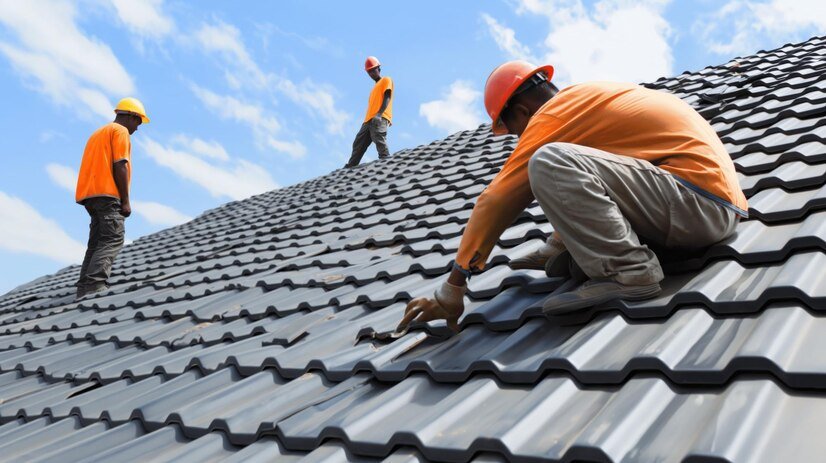
The installation itself usually follows a fairly structured sequence. First the old roofing material is removed. This allows contractors to inspect the roof deck directly and confirm there is no hidden damage.
Then underlayment layers are installed to provide moisture protection. After that the final roofing material is secured to the structure using the appropriate fastening system.
Metal roofing systems often use panel sections that cover larger areas compared with traditional shingles. That design can influence how quickly installation progresses. But timing still varies depending on roof size and weather conditions.
While exploring maintenance habits and long term performance, homeowners sometimes go here again to review roofing resources and installation guides to better understand how their roofing system should be cared for over the years.